


— visa rules and processing details change without notice; this article covers process and evidence, not rules that can go stale.
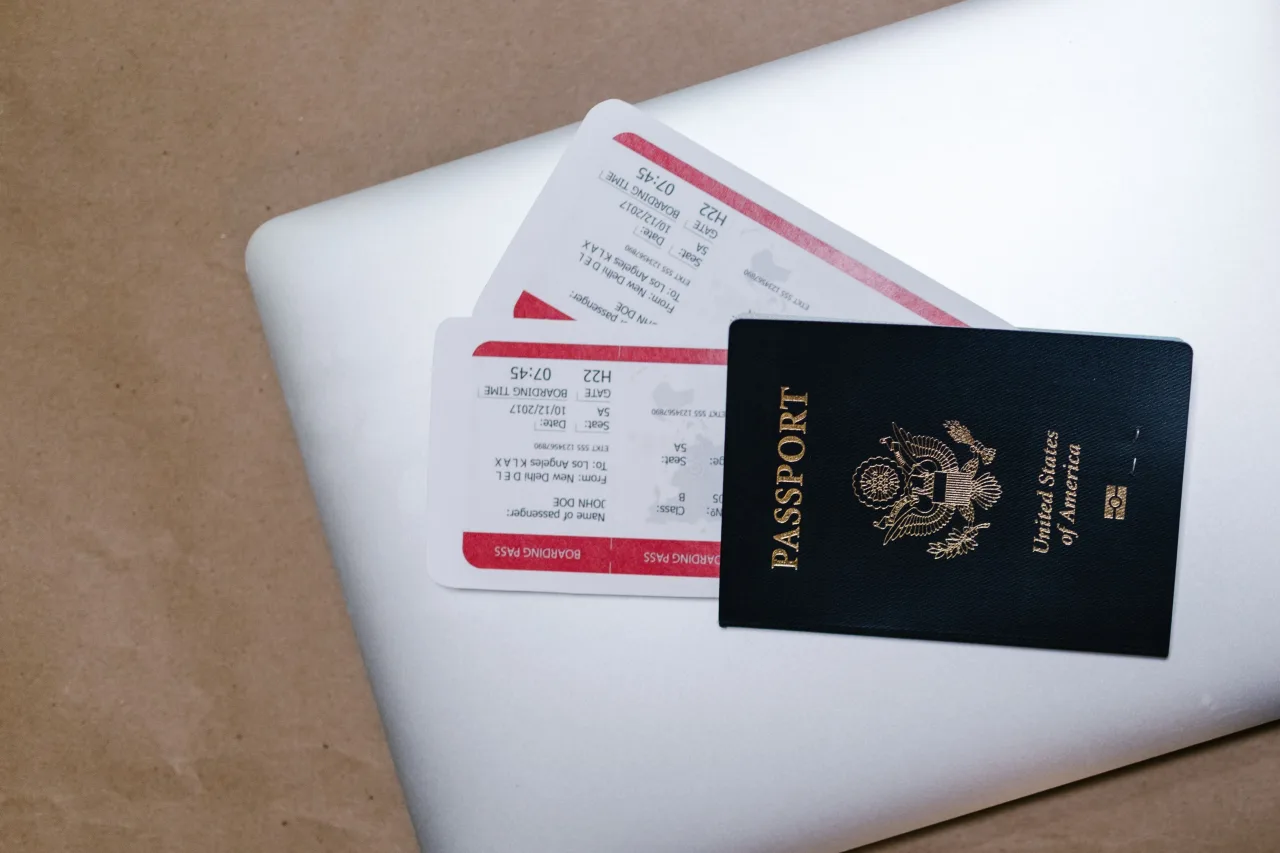
Once a visa is approved, there's an understandable urge to book a flight immediately — the hard part feels done, and booking feels like the natural next step. There's a real trade-off here worth thinking through deliberately rather than acting purely on relief: booking immediately can lock you into a date before other details are settled, while waiting too long risks losing good availability and pricing, particularly during peak intake periods when many people are travelling to the same destinations at once.
Why "book immediately" isn't automatically right
Before locking in a date, it's worth confirming a few things that can still shift: your accommodation's actual move-in availability, your institution's or employer's expected arrival window, and whether any remaining administrative steps — collecting a physical visa document, for instance — need to happen before you can travel at all. Booking a firm date before these are settled sometimes forces an expensive change later.
What to confirm before you commit to a fare
- Whether your visa or entry document needs to be physically collected or activated before a certain date, or whether it's usable immediately upon approval.
- Your accommodation's earliest available move-in date, so you're not arriving with nowhere to stay.
- Any mandatory orientation or arrival date set by your institution or employer.
- Whether dependants are travelling with you or separately, and how that affects the booking.
Flexible fares and change policies
Where your exact date isn't fully locked yet, a slightly more expensive flexible or changeable fare can be worth the difference in cost, since the alternative — cancelling or rebooking a cheaper restrictive fare — is often considerably more expensive than the flexibility premium would have been. Read the specific change policy before booking; "flexible" varies a lot between airlines and fare classes.
Coordinating arrival timing deliberately
Arriving too far ahead of your accommodation or enrolment date can mean paying for temporary housing you didn't plan for; arriving too close to a deadline leaves no buffer for delays or jet lag before something important, like an orientation session, begins. A modest buffer — arriving a little ahead of when you strictly need to be there — tends to work better than cutting it precisely to the earliest possible moment.
Booking for dependants travelling separately
If dependants are joining later due to a staggered application timeline, plan their booking as its own decision once their own documentation is confirmed, rather than assuming a shared booking in advance. Coordinating two separate bookings takes more planning but avoids the risk of a family booking made before a dependant's own approval is certain.
Booking through an agent versus booking directly
A booking agent familiar with the routes and seasonal demand relevant to your move can be genuinely useful for a first-time, one-way international booking with several moving parts — coordinating baggage needs, connections, and timing around a visa collection step, for instance. Whichever route you choose, keep your own copy of the full booking confirmation and fare rules, so you're not solely reliant on a third party if you need to check or change something later.
There's no single correct number of weeks to wait — the right timing depends on how settled your other arrangements are. The general principle is to confirm the things that could still shift before locking in a date, and to weigh a flexible fare's extra cost against the real risk of needing to change plans.