

— visa rules and processing details change without notice; this article covers process and evidence, not rules that can go stale.
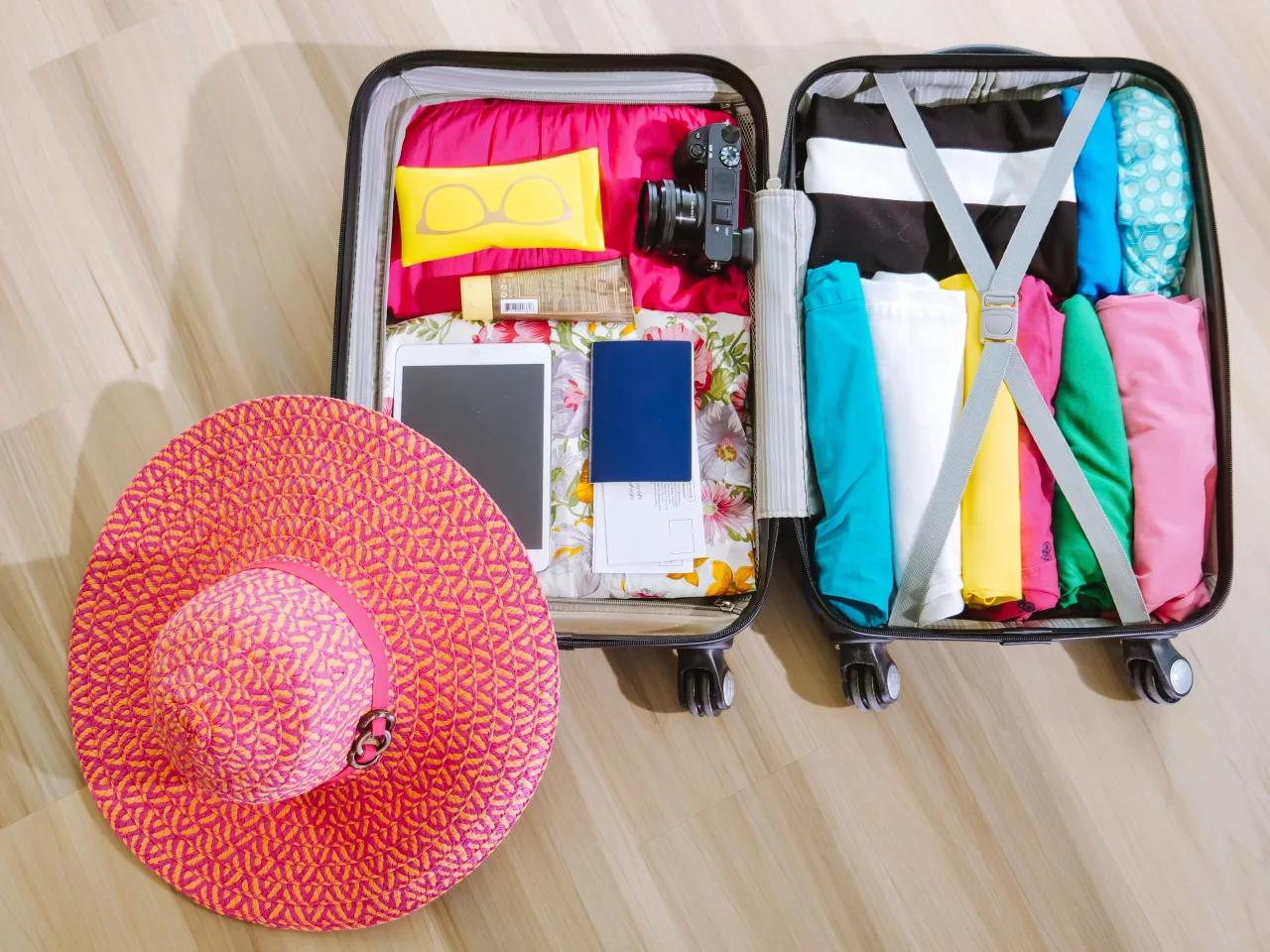
Packing for a long-term move abroad is a genuinely different problem from packing for a holiday, even though it uses the same suitcase. You're not choosing what to bring for two weeks — you're deciding what your life looks like for the next stage of it, within the hard constraint of what an airline will actually let you carry. A little planning here avoids both an expensive excess-baggage bill at the airport and the frustration of arriving without something you actually needed.
Check your specific allowance, not a general rule of thumb
Baggage allowances vary by airline, by fare class, and sometimes by route, and they change. Don't rely on a figure you remember from a previous trip or heard from a friend flying a different route or airline. Check your specific booking's allowance directly on the airline's own confirmation, and check again shortly before departure in case anything has changed.
What belongs in carry-on, not checked baggage
Anything genuinely irreplaceable or urgently needed on arrival belongs in your carry-on: original identity and immigration documents, medication with enough supply to bridge any gap before you can access local healthcare, a change of clothes, and any electronics or valuables you wouldn't want to lose if checked baggage goes missing or is delayed. Checked bags do occasionally arrive late or, rarely, not at all — plan as if that could happen to you specifically.
Shipping versus carrying for bulky items
For anything bulky that isn't urgently needed on day one — books, seasonal clothing, kitchen items — compare the cost of excess baggage against a dedicated international shipping service well before you pack. Shipping ahead of time, timed to arrive a little after you do, is often cheaper and considerably less stressful than trying to fit everything into checked luggage at the airport.
Packing for a climate you haven't experienced yet
It's easy to underpack for a climate or season you've only seen in photos or forecasts. Research the actual conditions for your specific arrival month, not just the country's general reputation for climate, and plan to buy anything genuinely climate-specific — heavy winter wear, for instance — locally after arrival if it's bulky, rather than filling limited luggage space with it in advance.
A pre-departure document folder
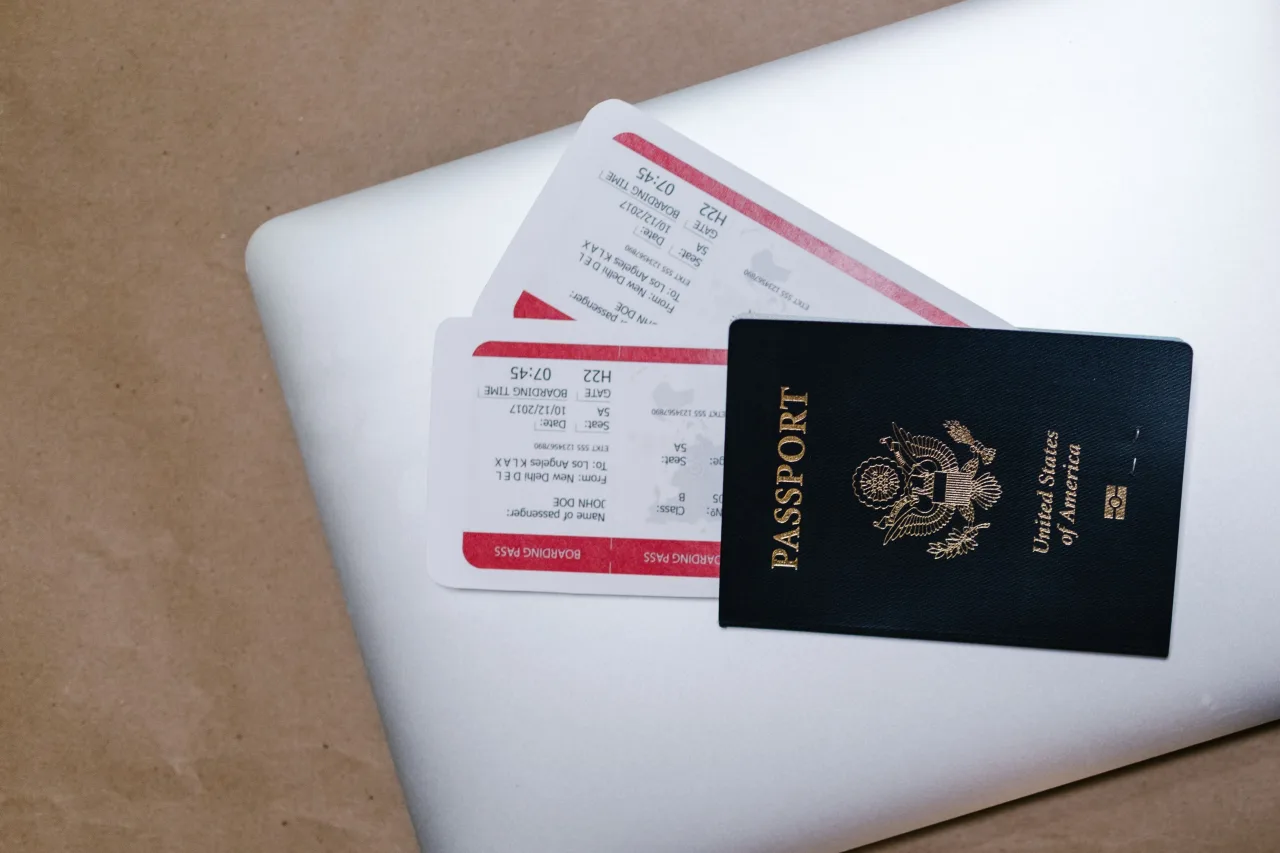
Keep every essential document — passport, visa or entry approval, accommodation confirmation, institution or employer contact details, insurance documentation, and emergency contacts — together in a single, easily accessible folder in your carry-on, with photographed or scanned digital copies stored separately as a backup. This single habit solves more last-minute panics than almost anything else on this list.
Restricted and commonly confiscated items
Rules on what can be carried, checked, or shipped at all vary by country and by carrier, and cover more than the obvious categories like liquids and sharp objects — some destinations restrict certain foods, plant material, or traditional medicines that travellers don't think to check. Look up your specific airline's and destination's restrictions well before you pack, rather than discovering an item is prohibited at the airport when there's no time left to deal with it.
Packing well for a long-term move is less about clever tricks and more about deliberate categorisation: what's genuinely irreplaceable and urgent goes with you, what's bulky but replaceable can follow separately, and everything essential to your arrival has a backup copy somewhere you can reach it.